size/s: "Out-of-page"
size/s: "[[[970,250],[970,90],[728,90]],[[728,90]],[[320,50]]]"
Three tips for making sure your money is in the right bank account

By Michelle Baltazar Published on February 5, 2021
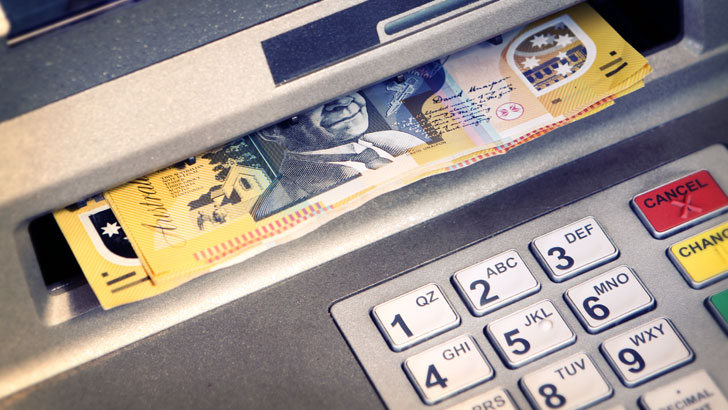
Not all savings accounts are created equal. Some have higher interest rates, some charge extra fees and others have "bells and whistles" to help you save more.
So how do you know your money is in the right savings account? How can you make the most of the account you have? Here are some pointers to get you started.
1. Split your accounts
Do you have an everyday transaction account? The one you use when you go to the shops or to pay your weekly rent, occasional (or regular) coffee and buy stuff online?
If you have more than $2000 at any given time in this account, it pays to link it to a savings account. This will attract a higher interest rate on your savings that are most likely just sitting there in your transaction account (check our Best of the Best issue to see the range of interest rates offered by various savings and transaction accounts).
So let's say you had $7000 in your account and you split it into two, with $5000 going into a savings account that attracts a base rate of 1.68% and earns $84 a year. Assuming you make only one ATM transaction a month on your savings account and unlimited transactions on your transaction account, then the interest you will earn over five years would be around $420.
The point here is that you can make a few handy dollars each year by choosing an account that offers higher interest, no matter how small.
2. Know your fees
size/s: "[[[300,250],[300,250],[300,50]]]"
In 2017, the buy now, pay later provider Afterpay earned 24% of its annual income from late fees. And the consumer body Choice found that in the same year households paid nearly $480 on average in banking fees.
I'm quoting 2017 figures because the industry has responded and now there are many products that will cost you nothing - so long as you understand the terms
and conditions.
For example, all big four banks offer accounts with no monthly fee as long as you deposit a minimum amount each month. NAB's Classic Banking Account doesn't even require a minimum deposit.
Outside the major banks, there are plenty of institutions that now offer fee-free savings or transaction accounts.
Other fees to watch out for include internet banking fees, EFTPOS fees, ATM fees (if you exceed the number of transactions you're allowed to make), non-bank or foreign ATM fees (banks such as ME, for example, would refund ATM fees), dishonour fees (as high as $30-$50) and "exceeding your credit limit" fees.
If your bank still charges phone transaction or branch withdrawal fees, you may want to switch as they should
be part of the service.
3. Boost your credit score
With the launch of open banking, which allows for easier sharing of financial data between banks, a strong savings profile will help you get better rates and terms when you apply for a home loan, buy an investment property or borrow capital.
It pays to shop around and pick the best savings account for your needs. Doing so means more interest paid on your account, zero to low fees (they all add up) and a higher credit score, which rewards you yet again with more savings.
Michelle Baltazar is editor-in-chief of Money. She has worked on various finance titles, including BRW (now closed) in Australia and Shares magazine in London.
Get stories like this in our newsletters.
Related stories

Comments
6 responses to “Three tips for making sure your money is in the right bank account”
Leave a Reply

Money Newsletter
size/s: "[[[300,600],[],[[300,600]]]]"
size/s: "[300,250]"
Where do you get 1.68% interest.
Where do I get best rate that is safe. Not shares. Term deposit or what?
I'd like to know where you can get a base rate interest of 1.68% on a savings account, these days.
Can you link to the savings account paying 1.68%? I'd gladly switch to it.
i like to know which bank offers
I'd like to know where you could get even half that rate.