
size/s: "Out-of-page"
size/s: "[[[970,250],[970,90],[728,90]],[[728,90]],[[320,50]]]"
Property spared as rate rises hit sharemarket

By Jonathan Philpot Published on October 19, 2023
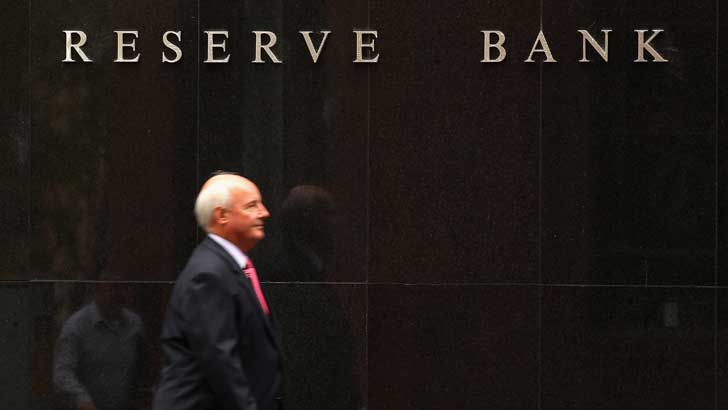
A slew of interest rate rises has unequivocally impacted the sharemarket but have yet to make a dent on local property prices. But having weathered short-term pain, will stocks shine in the medium to longer term?
The Reserve Bank of Australia (RBA) has handed out 12 interest rate rises totalling 4% since May 2022. While this has had an impact on both the Australian and global sharemarkets, as well as the listed property market, residential house prices have largely recovered this year to be near all-time highs.
Sharemarkets are forward looking and any negative impacts on the market are often felt sharply, more so than other areas of investing. But as 2023 has already shown, even when rates are still rising, the sharemarket will bounce off the bottom and commence the next rising phase.
What do high interest rates mean for the sharemarket?
Longer-term higher interest rates do have a big impact on the sharemarket.
The price-to-earnings (PE) ratio will often be high when interest rates are low and people are therefore prepared to pay more for shares. However, when interest rates are high, the PE ratio of the market will be low.
Some sectors of the market are evidently hit harder than others, with the listed property space in particular still down about 15% from the first interest rate rise in the first half of last year.
What is the outlook for property prices?
size/s: "[[[300,250],[300,250],[300,50]]]"
So, if shares have borne the brunt of the rate rises to date, what is the outlook for residential property prices? And just when will the impact of higher rates start to bite?
Perhaps most critically is the issue of borrowing capacity.
Despite house prices largely remaining at the same level, variable interest rates have risen from 2% to 6% in a relatively short space of time.
The average borrower is now impacted by a 40% reduction in their borrowing capacity. To put it into perspective, this means that if an average family could borrow $1 million in early 2022, they are now only able to borrow $600,000.
There are clearly other supply and demand issues going on in the residential property market. In particular, immigration numbers are still very high from the COVID catch-up.
But as this all starts to return to normal levels, the higher interest rate environment will undoubtedly impact property prices.
Why should you invest for the long-term?
Predicting the performance of the residential property market or, indeed, the sharemarket, in the short-term is a foolish game.
However, in the medium to longer term - beyond five years - given the sharemarket was impacted by rates far quicker and sharper, it has a much stronger outlook than property, particularly in Sydney and Melbourne.
Now more than ever, it's important for investors to have a considered and thorough investment strategy, including appropriate asset allocation and level of liquidity. Historical data shows markets take major events in their stride over the long term.
They are merely hurdles in a much longer race.
While asset allocation should be reviewed every couple of years to ensure market value is maximised, the smoothing of sharemarket volatility over time means investors should focus on longer-term forecasting.
This provides a more accurate reflection of market cycles and allows for volatility.
Get stories like this in our newsletters.
Related stories


Comments
One response to “Property spared as rate rises hit sharemarket”
Leave a Reply

Money Newsletter
size/s: "[[[300,600],[],[[300,600]]]]"
size/s: "[300,250]"
Hi Jonathan, I read your article. I would say you need to research the property market more. Property prices nationally decreased about 9% from April 2022, every month the rates went up. Melbourne and Sydney are the 2 worst performing capital cities of the 5 majors. Melbourne in particular has only increased 3.6% since March 2020. Property has outperformed the Sharemarket in growth over the last 20 years 177% versus 159%. Australia will have a housing shortage for the next 20 years as documented by Government agencies.